 KP Plastering
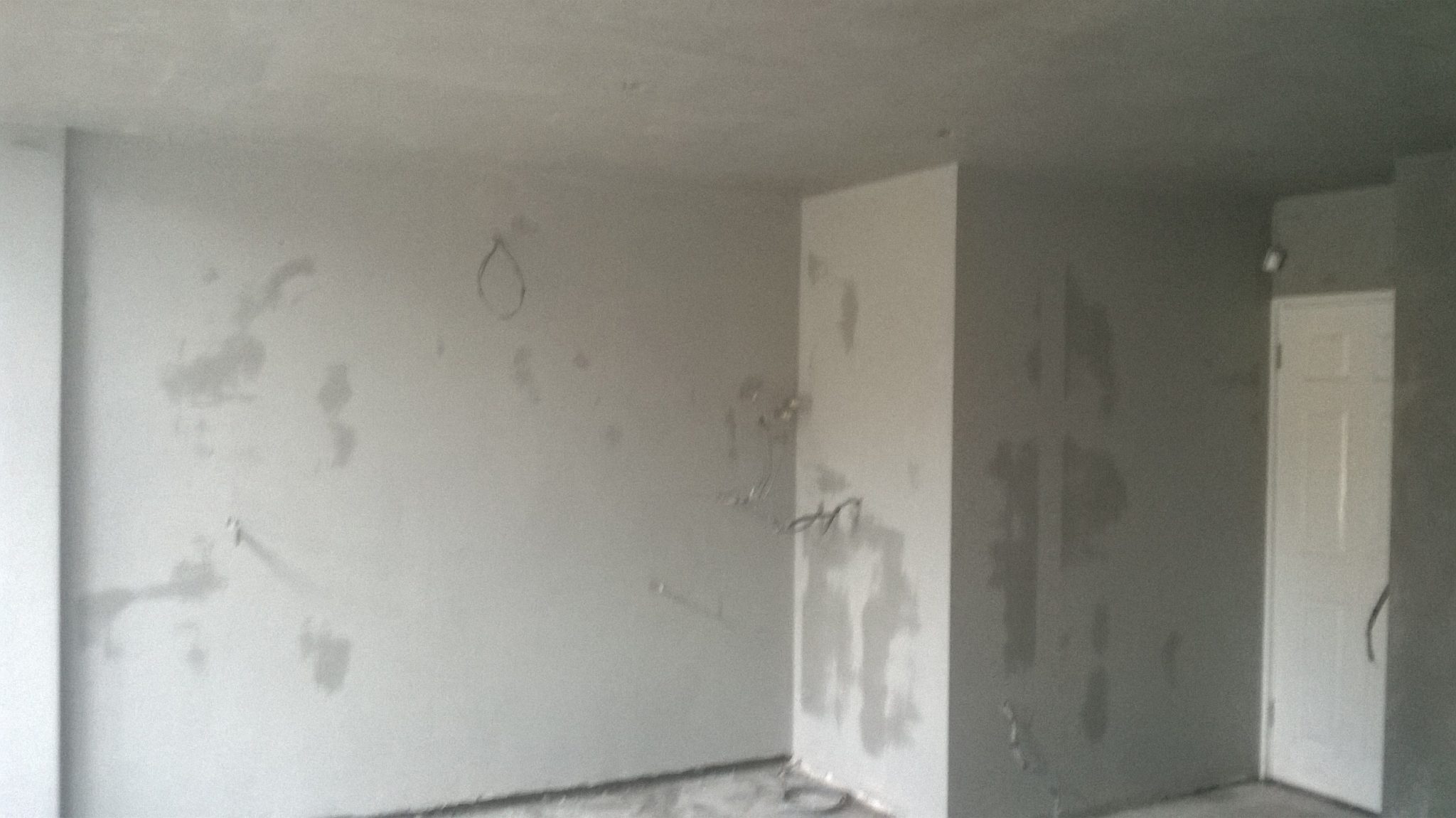
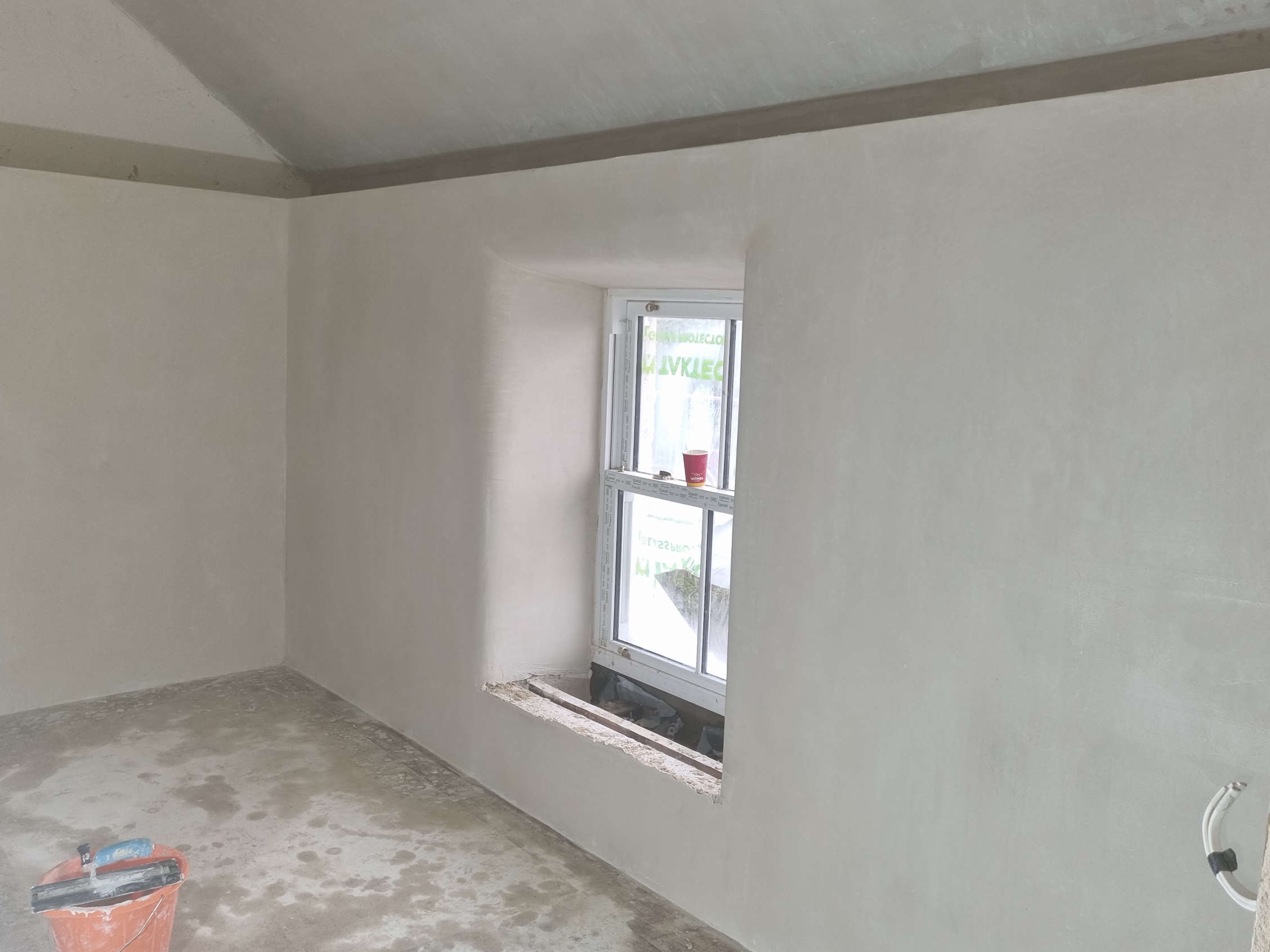
Lime plaster has been used for centuries due to its unique properties. Unlike modern plasters, lime is breathable, allowing moisture to escape from the building. This characteristic is essential in old farmhouses, where trapped moisture can lead to structural damage, mold, and a decline in indoor air quality. The use of insulated lime plaster carries these traditional benefits into a modern context, combining them with contemporary insulation technologies.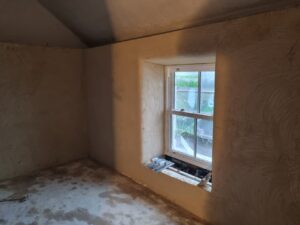
Restoring historical buildings requires a careful blend of tradition and innovation, especially in regions rich in architectural heritage like Summerhill, Co. Meath. One sustainable solution gaining popularity in the field of restoration is the use of insulated lime plaster. This method not only respects the original structure but also enhances its thermal efficiency, contributing to a more sustainable futurize”:”small”} –>
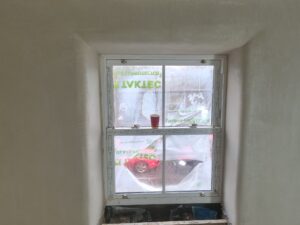
The Benefits of Using Insulated Lime Plaster
- Breathability: One of the main advantages of lime plaster is its ability to manage moisture effectively. Insulated lime plaster retains this quality, ensuring that the building can “breathe”. This is crucial for older buildings that have often experienced structural changes over time. Enhanced breathability prevents issues related to dampness and decay.
- Thermal Efficiency: Adding an insulation layer to lime plaster significantly improves the building’s thermal performance. By incorporating natural insulating materials like hemp or cork into the mix, homeowners can ensure that their old farmhouses remain warm in winter and cool in summer, reducing energy consumption and heating costs.
- Ecological Footprint: Lime plaster is made from natural materials that are abundant and sustainable. Unlike synthetic insulations that can emit volatile organic compounds (VOCs), lime is non-toxic and improves indoor air quality. This aligns with the growing awareness of sustainability and environmental responsibility among homeowners.
- Aesthetic Value: The natural texture and appearance of lime plaster lend an authentic finish to the interiors and exteriors of historic properties. When properly applied, it enhances the charm of old farmhouses while preserving their character. Homeowners can select from various textures and colors, allowing for creativity in restoration while remaining loyal to traditional designs.
- Compatibility with Existing Structures: Repointing or plastering old walls with lime products is typically straightforward. Insulated lime plaster can be applied to different types of substrates without causing damage to the original materials. This compatibility is vital in heritage buildings, ensuring minimal interference with the historic fabric.
Challenges and Considerations
While the benefits are substantial, the application of insulated lime plaster does come with challenges. The expertise required for proper mixing, applying, and curing is paramount. Engaging skilled tradespeople familiar with traditional building techniques will yield the best results. Additionally, local building regulations should be reviewed to ensure compliance, especially in heritage zones.
Conclusion
For homeowners in Summerhill, Co. Meath, insulated lime plaster presents an opportunity to restore old farmhouses thoughtfully. Its dual ability to preserve historical integrity while enhancing energy efficiency encapsulates the best of both worlds. As we move toward more sustainable living practices, embracing traditional building methods like lime plaster can help maintain the essence of our architectural heritage while ensuring their longevity for future generations. Embracing this approach not only enriches the local aesthetic but also contributes to reducing carbon footprints, making it a win-win for both homeowners and the environment.